
Search Colleges, Exams, Schools & more


Login
What happens when some of the brightest students at IIMs exchange their laptops for lanterns, PowerPoint slides for paddy fields, and case studies for cattle sheds? Welcome to the rural immersion program, where students learn about rural India in a more fun and interactive way. From tech-savvy students learning about ground-level culture to interacting with rural folk to get a hang of their real issues. Here, students share their hustles in the corporate world and their corporate issues take a backseat when they learn the struggles of those working in the field. Here are some of the untold and fun stories where real problems and their solutions are as muddy as the paddy fields.
This Story also Contains
- IIM Calcutta: From Case Studies to Cattle Sheds
- IIM Calcutta: When Wi-Fi Meets Kerosene Lamps
- IIM Ahmedabad: Rural Olympics; The Tug of War That MBAs Lost
- IIM Udaipur: Feasts, Festivals, and Culture
- IIM Nagpur: Solving Problems, One Village at a Time
- IIM Kozhikode: The youngest entrepreneur who didn’t need a CAT score
- What is the Rural Immersion Program?
IIM Calcutta: From Case Studies to Cattle Sheds
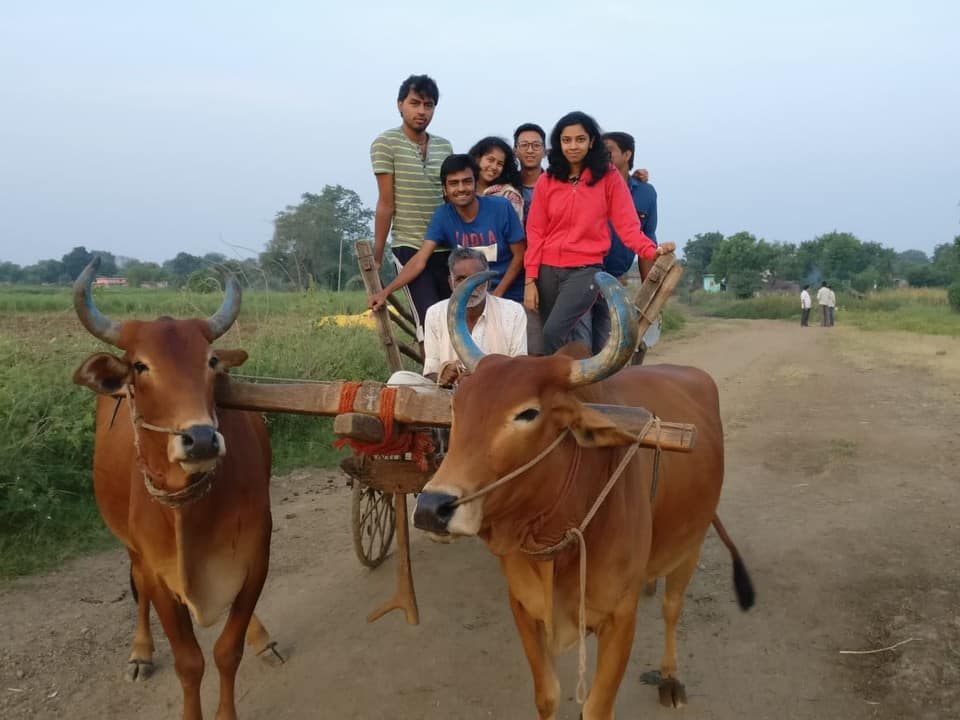
During a rural excavation, IIM Calcutta students were sent to a remote village in Bihar. Students accustomed to urban technology and 10-minute delivery are shocked to see the struggle of women entrepreneurs running small businesses. To tackle this problem, the students began a micro-finance initiative to help grow their businesses. This small initiative inspired other nearby villages to adopt the same. Though not as fast as 10-minute delivery, a smooth transaction of business was made possible for the women in the village.
IIM Calcutta: When Wi-Fi Meets Kerosene Lamps
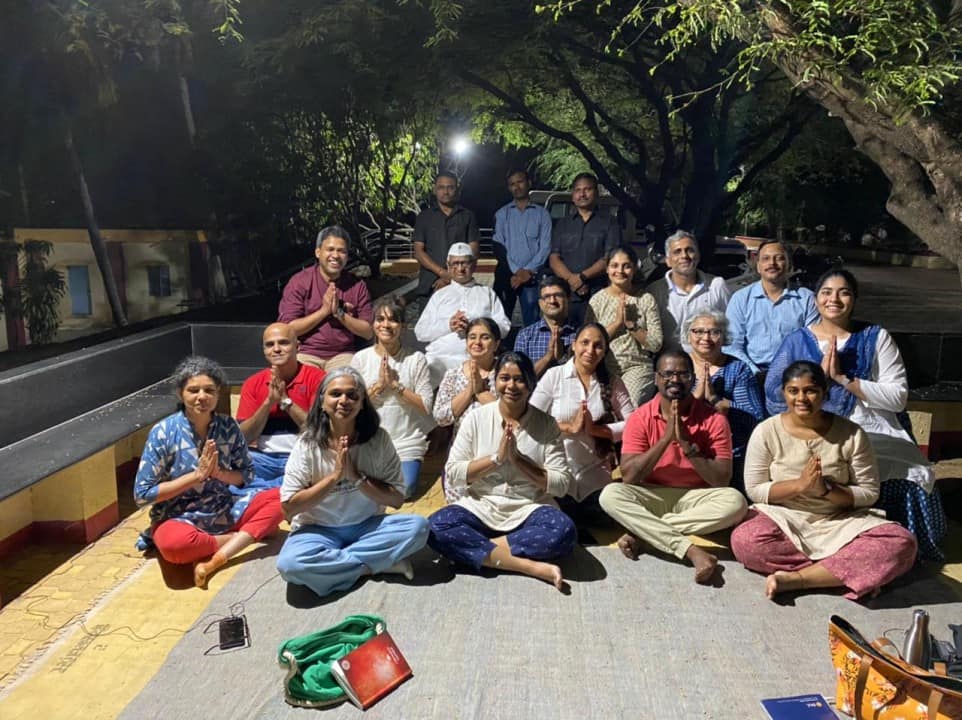
Another such interesting story at IIM Calcutta is when the students visited a village in Uttar Pradesh as part of their rural immersion program. Upon reaching the village, the students experienced a blackout while resting, a problem that they rarely encountered in urban areas.
To help the students overcome this situation, the villagers taught them how to make kerosene oil lanterns and candles for survival. By the end of the night, the Wi-Fi generation was laughing around the kerosene lamp, sharing their stories with the villagers under the stars.
IIM Ahmedabad: Rural Olympics; The Tug of War That MBAs Lost
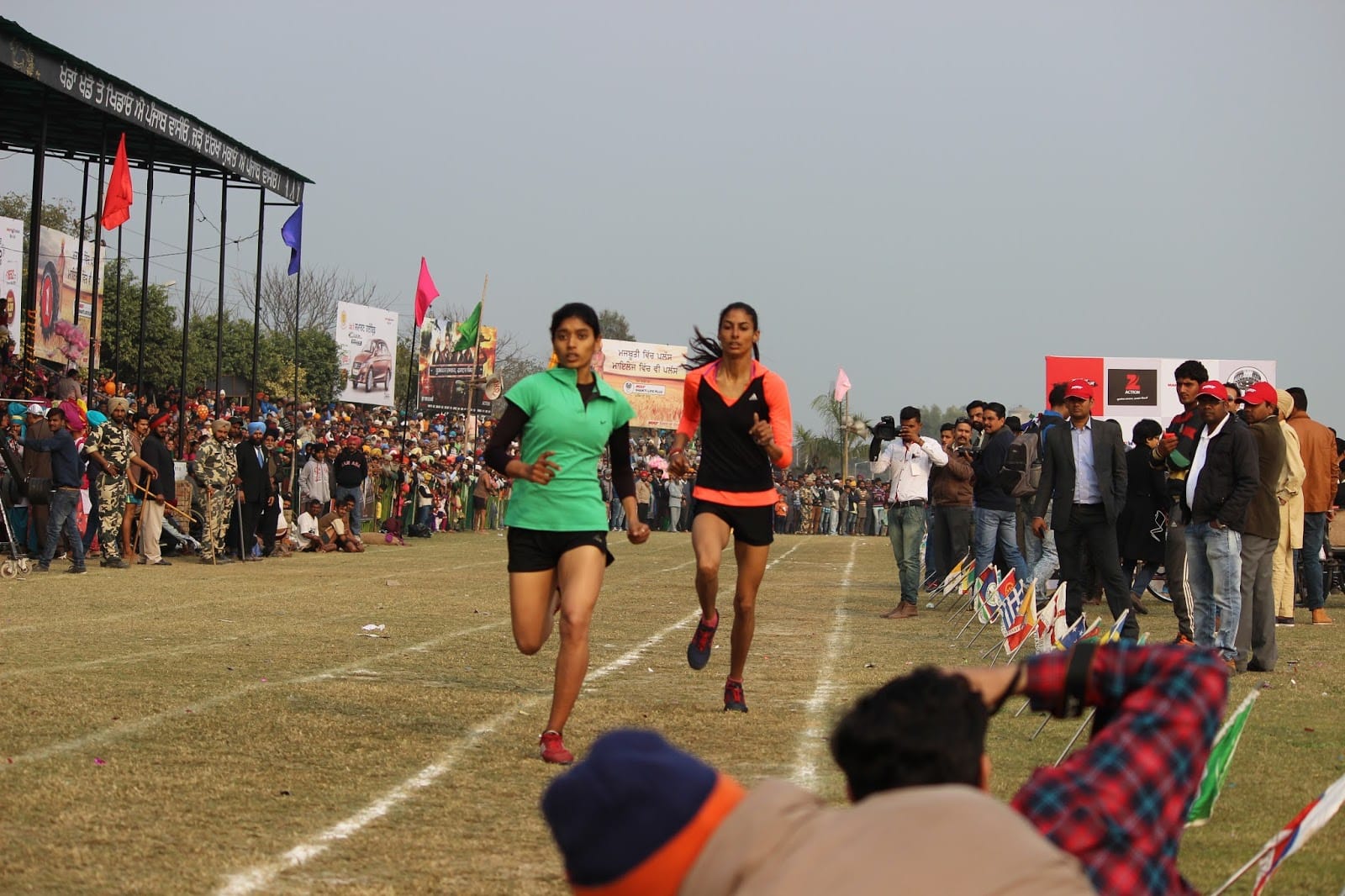
Students of IIM Ahmedabad introduced the rural Olympics to connect and interact with the rural folk. In one such incident, gym-going students underestimated the power of hands working in a field. In a tug of war competition, both groups participated, but the MBAs were the ones who lost every time. Constant losses on the ground increased humour and excitement in both camps. In the end, students learned the strength of teamwork and the power of hard work in the fields.
IIM Udaipur: Feasts, Festivals, and Culture
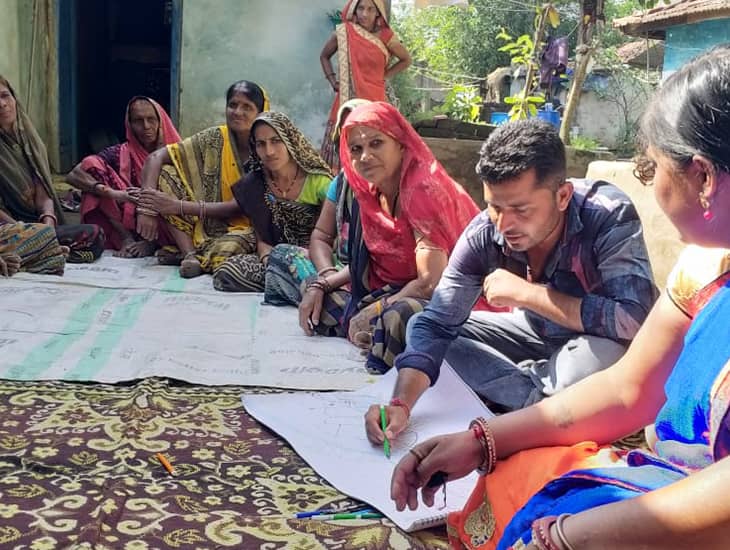
When a group of IIM Udaipur students visited Tamil Nadu, they were greeted with a grand feast by one of the villagers. Not knowing anything about the ingredients and knowing only burgers and French fries as food, students stumbled upon a native ingredient used for tackling the exorbitant heat in the region. At first glance, it looked like curry, but when one student tasted it was bad in flavour. Though no one complained about it, and talked even more to rural people about their culture and the significance of food.
IIM Nagpur: Solving Problems, One Village at a Time
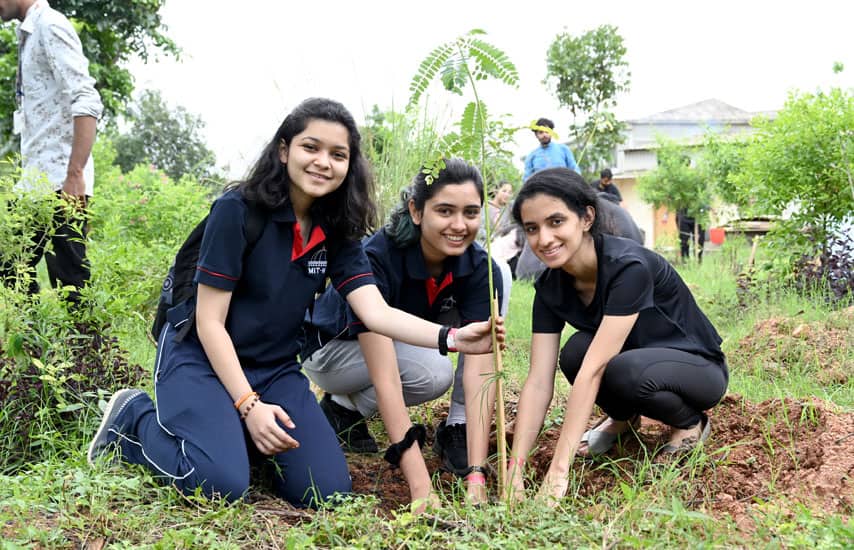
Similarly, IIM Nagpur students got to visit the Vidarbha region in the state, where they noticed a profound problem related to the cultivation of cotton. Having learned about agriculture in class, they improved the cultivation by helping them procure better seeds, manure, and fertilisers. But the problem was much deeper than that. Here, the middlemen's interference in the supply chain was the issue.
To solve this problem, the students interacted with the villagers, understood their needs, and introduced a model to connect villages directly to consumers without the interference of middlemen. Through this, the students at IIM Nagpur understood that to understand any problem, one must understand the root cause to be able to come up with a solution.
IIM Kozhikode: The youngest entrepreneur who didn’t need a CAT score
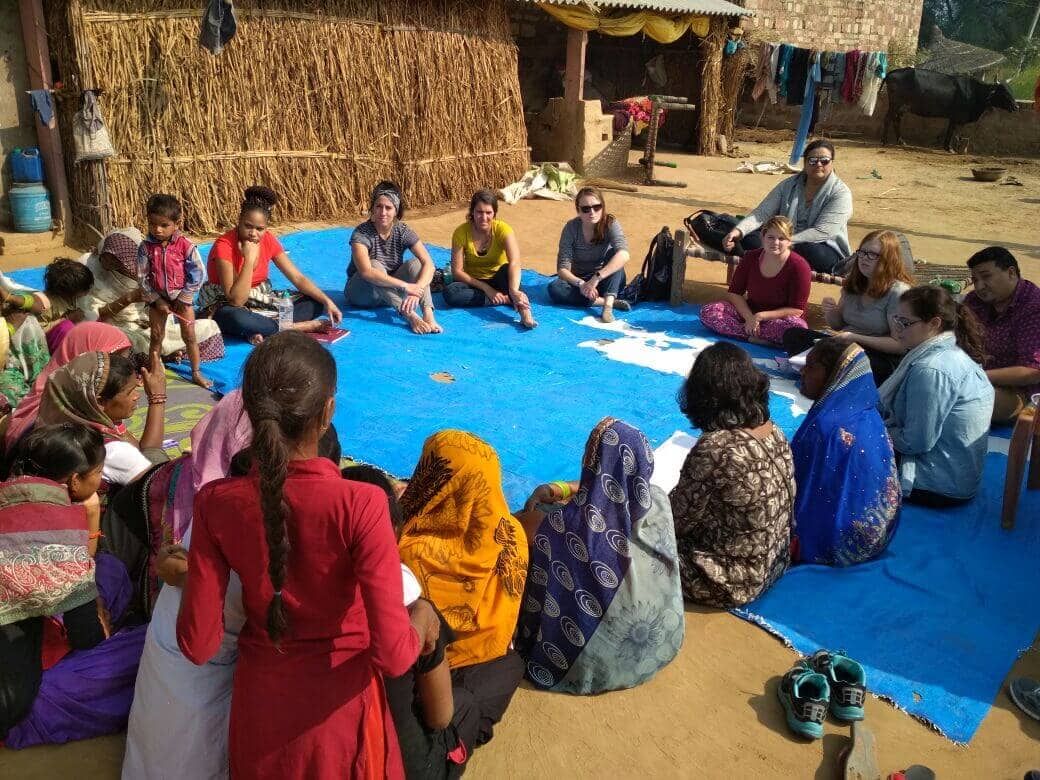
Prayaas is a student-driven initiative started by IIM Kozhikode. The initiative aims to empower underprivileged kids in Kozhikode with a focus on experiential learning and entrepreneurship. During a backwaters fest, Prayaas set up a kids' stall to sell bookmarks, greeting cards, and handicrafts so that kids could learn selling, pricing, and interacting with customers.
One of the kids sold out all the bookmarks within an hour and outsold some of the big names. How? Simply because of his genuine excitement and pitching with a confidence that drove consumers to his stall. Since then, kids stalling during festivals became a ritual, and people preferred buying from them because of their excitement and fun way of pitching. This shows how management studies link with social transformation and not just competition.
What is the Rural Immersion Program?
The Rural Immersion Program involves business is all about students’ direct engagement with rural communities and getting to know their culture better. The program at IIM Indore was started in 2009 to reduce the urban-rural divide in society and equip future business leaders with the problems faced by rural communities. Over the years, the rural immersion program has expanded across the campuses, including top IIMs like IIM Ahmedabad, IIM Bangalore, and IIM Calcutta.
The Rural Engagement Program is mandatory at IIM Rohtak, IIM Indore and IIM Udaipur, and is conducted immediately after term 1 exams and is of 0.5 credit points.
Frequently Asked Questions (FAQs)
Q: What is a rural immersion project?
A:
A rural immersion program is an initiative to reduce the rural-urban divide, requiring students, dominantly from urban settings, to understand complex rural livelihood and problems.
Q: What is the rural engagement program of IIM Indore?
A:
The rural engagement program was started in 2009 by IIM Indore. It basically aims to apply classroom knowledge to real-life problems faced by rural people. Thereby developing skills of leadership, empathy, social responsibility, etc.
Q: What is one major objective of a rural development program?
A:
The rural development program is aimed at improving the quality of life, social and economic well-being of the rural population. Students help people in generating employment, improving the quality of life, reducing poverty, and financing their businesses.
Articles
Related Stories
|
Upcoming Bschool Exams

Certifications By Top Providers
Explore Top Universities Across Globe
Popular Courses and Specializations
List of colleges accepting CAT
Browse Bschool Colleges by State
Questions related to CAT
On Question asked by student community
Have a question related to CAT ?
If by B-category you mean management/private quota MBBS seats, the cutoff is very different from government-quota MBBS.
In Tamil Nadu, management-quota MBBS seats are available in self-financing/private medical colleges through the state counselling process. The closing rank varies significantly between colleges and counselling rounds. The 2025 counselling data shows that
Hello Student,
With a CAT 2025 percentile of 98.25, you have a good chance of receiving calls from several IIMs, particularly newer IIMs. However, IIM Ahmedabad , Bangalore , Calcutta , and Lucknow generally require higher percentiles for General-category candidates. Calls also depend on sectional percentiles, academics, work experience, and
Hello Aspirant,
Yes, you can access CAT preparation resources, including mock tests, practice questions, previous-year papers, and study material. Explore the CAT preparation resources and test series using the link below:
https://bschool.careers360.com/download/ebooks-and-sample-papers?exam=45
Hope this Helps!
Hello CAT Aspirant!
If you mean the CAT ( Common Admission Test) EWS certificate, the important point is whether the certificate is valid and issued in the prescribed format, rather than simply the language used on it.
Yes, a Hindi EWS certificate can generally be accepted for CAT, provided it
Popular CAT Questions
Directions for question:
The bar-graph given below shows the foreign exchange reserves of Nepal (in million Rupees) from 2014 to 2021. Answer the following questions based on the graph :

Question:
What was the percentage increase (rounded to the nearest integer, if deemed necessary) in the foreign exchange reserves in

Study Resources, Applications and Opportunities
Globally Recognized by AACSB (US) & AMBA (UK) | 18 LPA Avg. CTC for PGPM 2026
XAT- Xavier Aptitude Test 2027
Apply75+ years of legacy | #1 Entrance Exam | Score accepted by 250+ BSchools
Career Launcher Race To 99%ile In CAT 2026 - Phase 03
Enquire6-Hour Masterclass to help you score 99+ percentile in CAT 2026
ISBR Business School PGDM Admissions 2027
Apply400+ Recruiters | Highest CTC 25 LPA | Average CTC 8 LPA | 92% Placements in 2025 | Ranked as Platinum Institute | Awarded Best Business School of the Year
NMAT by GMAC 2026
ApplyTest centres are available in 70+ cities across India | 75,000+ aspirants apply for the NMAT exam | Accepted by 58+ institutions like NMIMS, KJSIM, ISB, SPJIMR and Great Lakes.
Common Admission Test 2026 (CAT 2026)
ApplyRegistration Start: 3 August 2026 | Last Date to Apply: 15 September 2026 (till 5 PM)
CAT Notifications
Never miss CAT update
Get timely CAT updates directly to your inbox. Stay informed!